Max Popov
Post-Fair, Los Angeles
Post-Fair, Los Angeles
Feb. 26–Feb. 28, 2026
Gordon Robichaux will participate in the second edition of Post-Fair with a presentation of Max Popov’s wall-based sculptures that exemplifies the artist’s transformation of trash, antiquated electronics, and material technology, and his deeply felt experiences with objects that evoke transience and the resonance of memory. The installation at Post-Fair includes two boxes that resemble reliquaries with illuminated interiors and a kaleidoscopic panel work made with segments of glass and outdated solar panels.
The wreck buoy, a glass vitrine set into a reduced aluminum window frame, is inspired by an accident at sea: a freight ship’s collision with a vessel in the English Channel in 2002. The large-scale disturbance inspired a new category of sea marker: the emergency wreck buoy. Two transparent chambers within Popov’s sculpture structure different modes of representation and experience. In the first, the artist has created a vanitas compartment filled with personal effects and detritus collected from the shoreline, including crumpled foil, knots of wire, a withered leaf, batteries, and torn fragments of drawings. Behind it, a second compartment contains a detailed miniature diorama with a topographic relief of the surface of the ocean with a single buoy tipping in choppy water. A battery-powered strand of miniature glowing fairy lights traverses both chambers and accentuates the dreamlike spaces within.
Yellow noise/beacon (to my grandmothers, Ofelia and Marina) is a layered construction assembled from reconfigured objects, including a metal light fixture, Soviet-era vacuum fluorescent displays, a sheet of soft vinyl with glittery stars, a grave rubbing, and pieces of an antenna that broadcast the artist’s only conversations with his grandmother in Russia. Within the sculpture, a power source lights the vacuum fluorescent display, which renders the word ьeacoн, a phonetic spelling combining the Roman and Cyrillic alphabets to accommodate the constraints of the light’s eight-segment display. The letters are visible through the face of the sculpture—a piece of soiled glass layered with a field of tiny metallic stars, a drawing with the words “yellow noise,” and a bundle of antenna fragments.
A third work, Insolation set for promise, is a reflective panel mounted perpendicular to the wall with a column extending down to the floor. The object resembles a modular grid of shimmering, leaded, stained glass, which the artist created with rectangular pieces of green glass and violet-colored solar panels that he cut, mended with solder and copper foil, and set into a metal armature. Popov welded the steel structure into a zigzag form, like an accordion fold, that positions the surfaces of the glass and solar panels at different angles, creating a dynamic interplay of translucency, reflectivity, and color. Upon close inspection, there are two delicate drawings etched into the glass that are inspired by a 1965 issue of LIFE magazine: text from the cover story describing the Northeast blackout of 1965, which disrupted the electric supply across a large geographic area, and an image of a man sleeping.
Popov’s presentation at Post-Fair precedes the artist’s debut solo exhibition at Gordon Robichaux, which will open on March 15th.
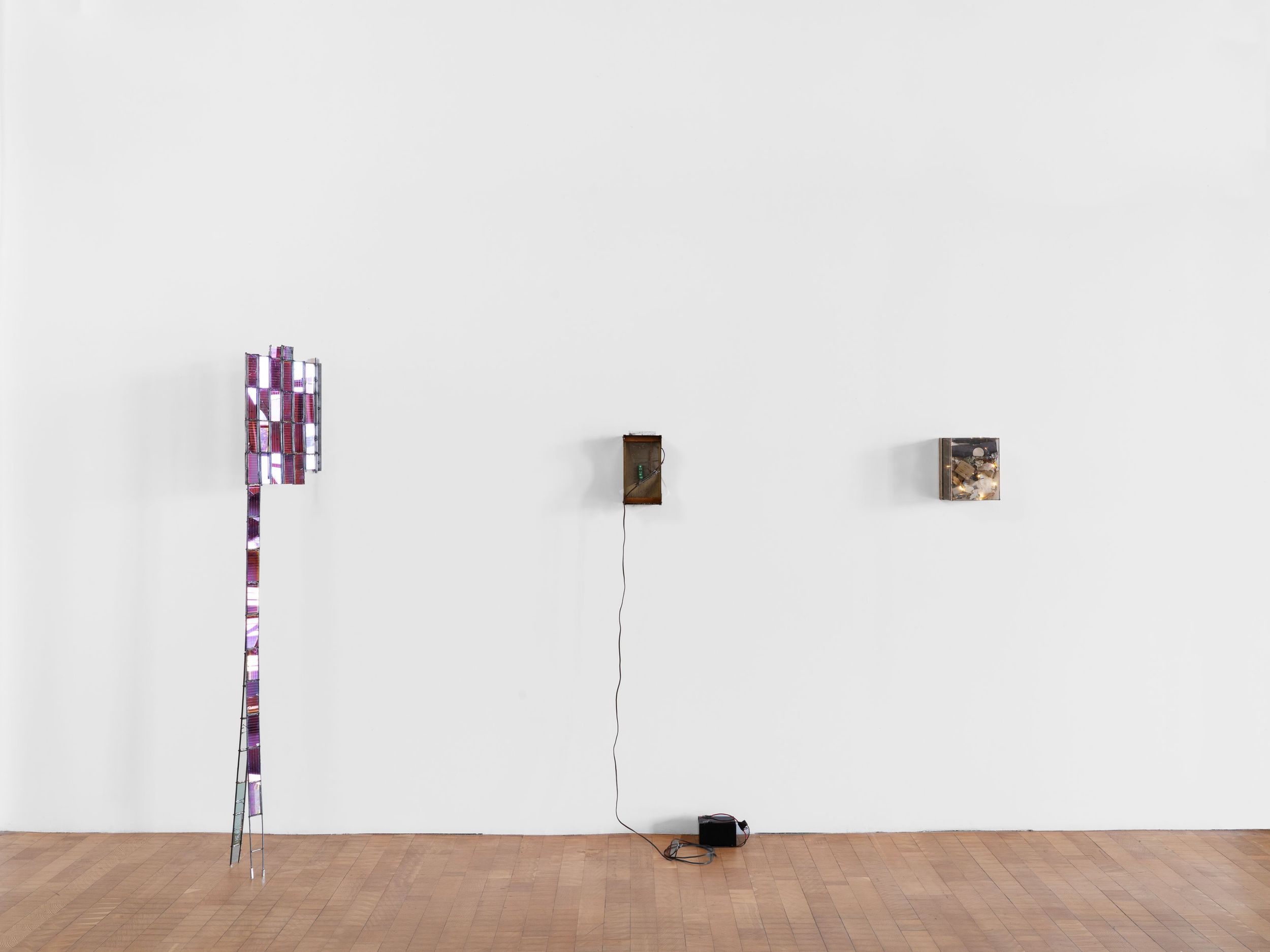
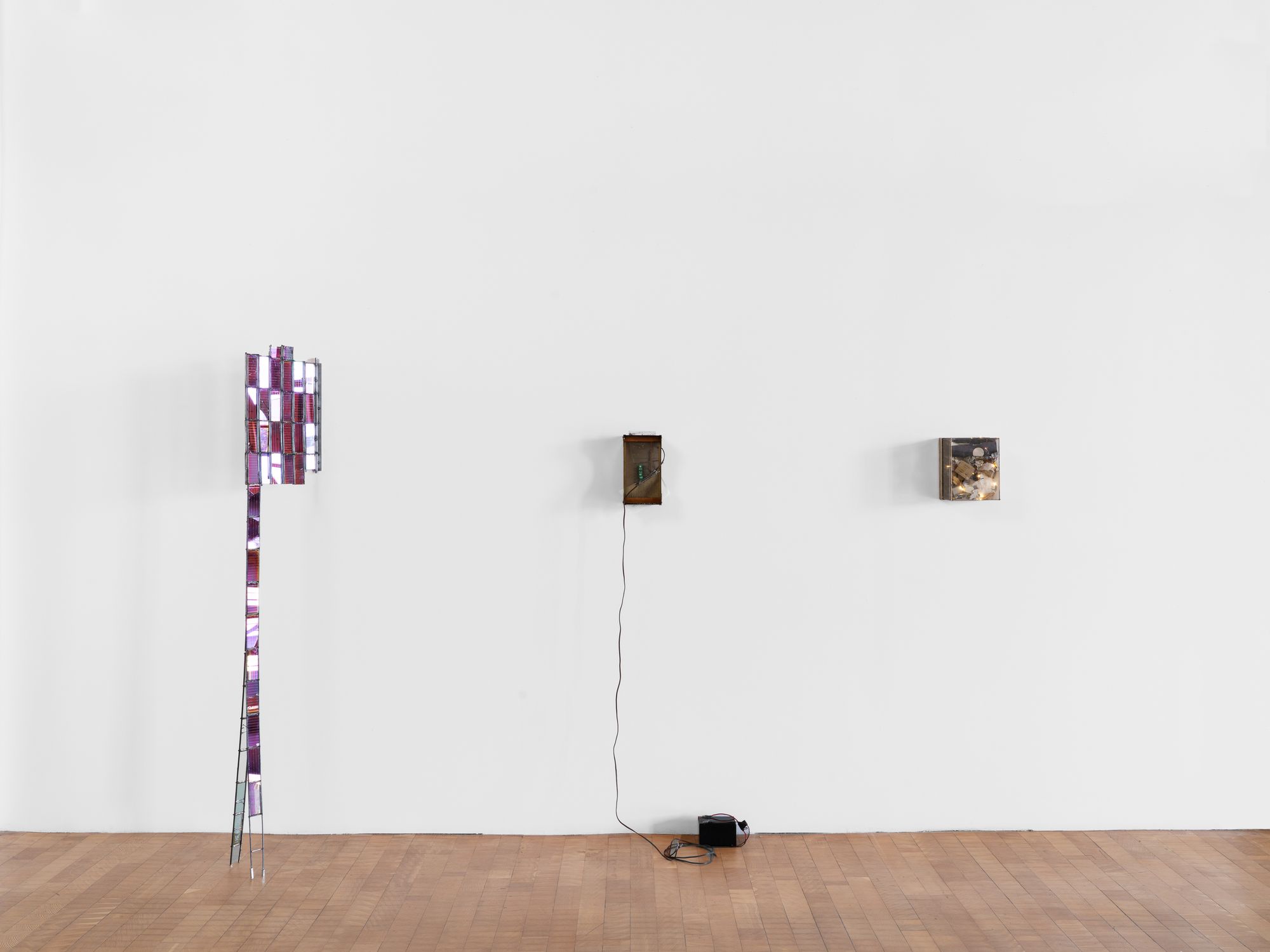
Installation view: Max Popov, Gordon Robichaux, Booth 7, Post-Fair Los Angeles 2026
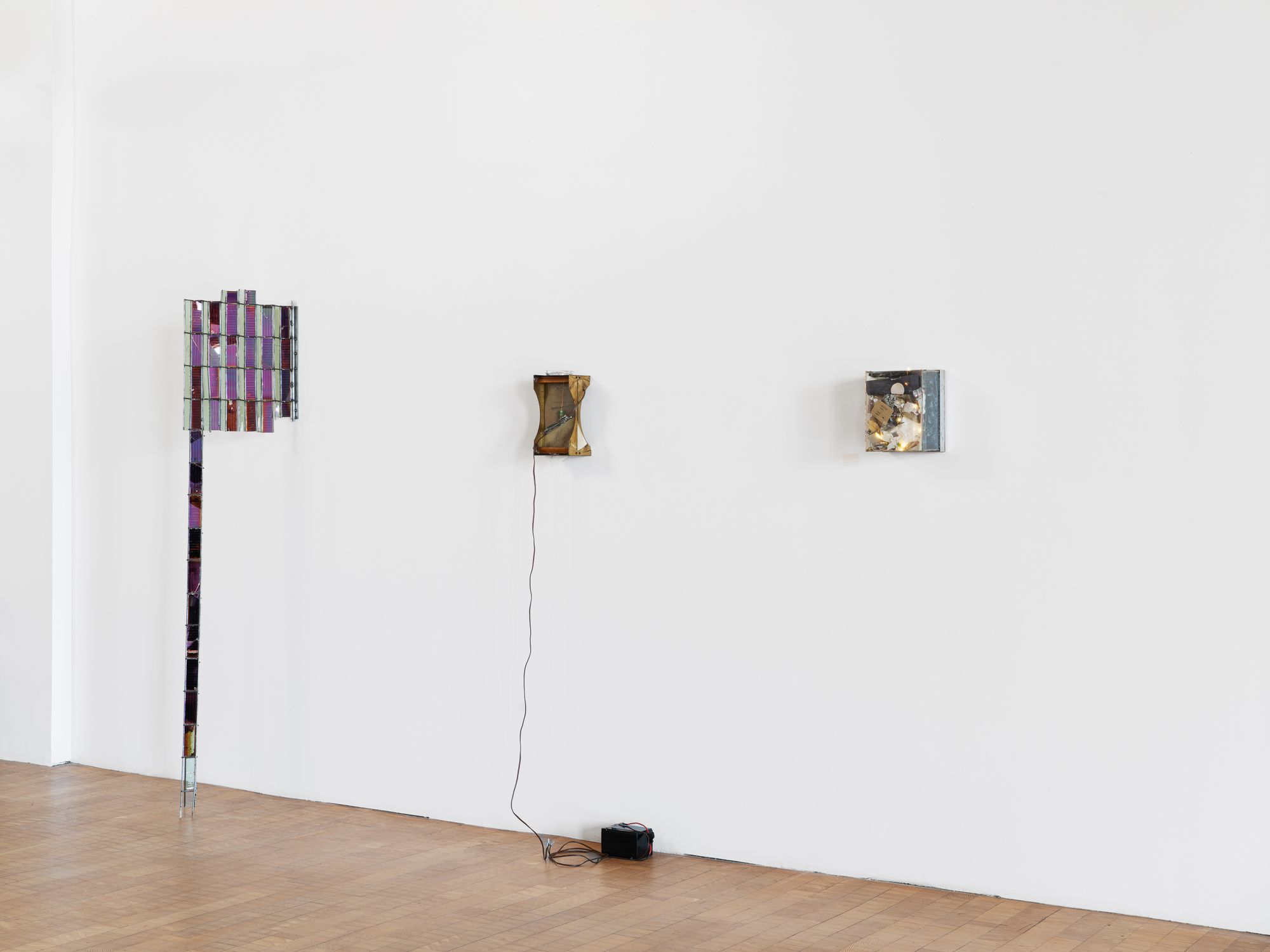
Installation view: Max Popov, Gordon Robichaux, Booth 7, Post-Fair Los Angeles 2026
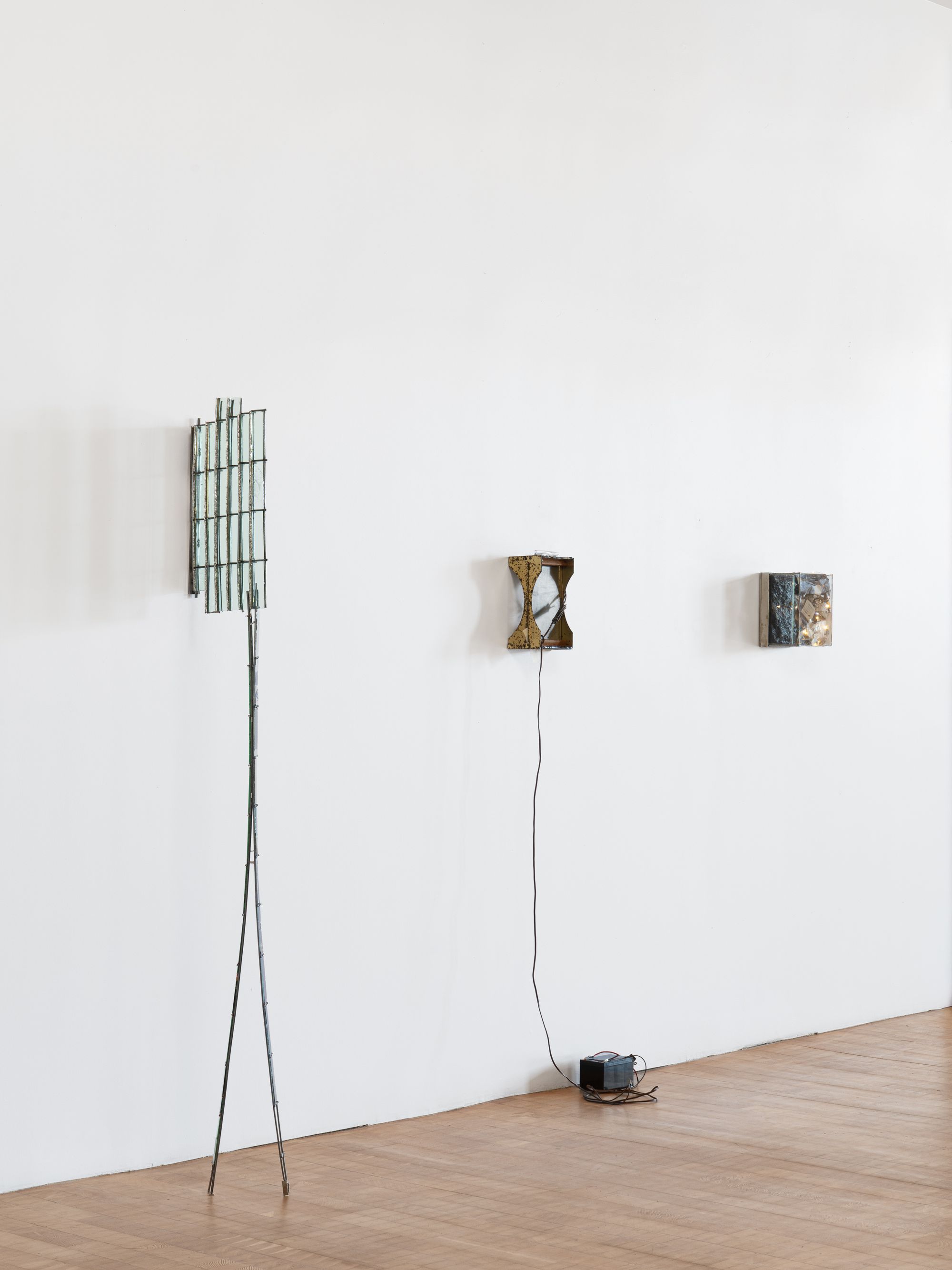
Installation view: Max Popov, Gordon Robichaux, Booth 7, Post-Fair Los Angeles 2026
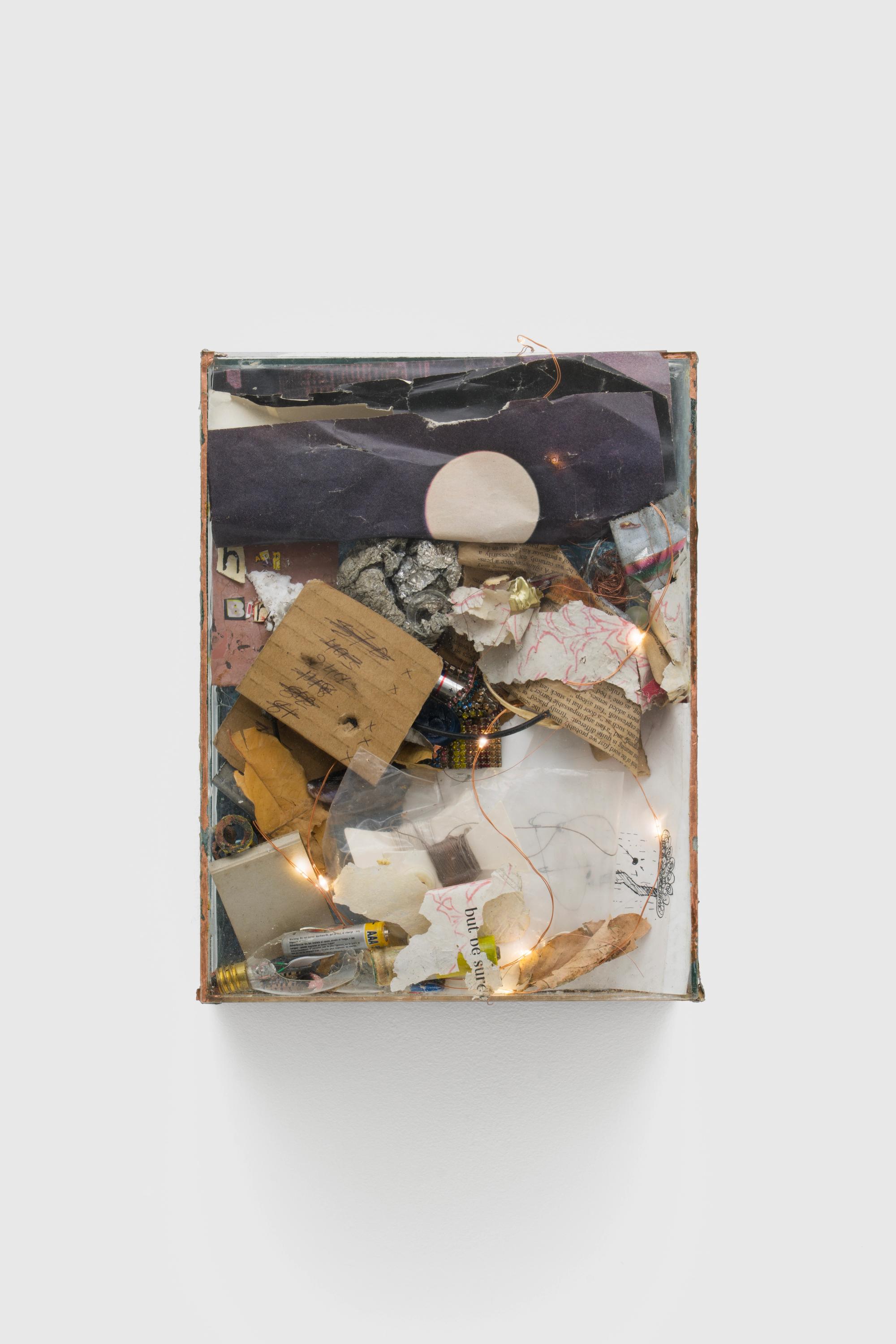
Max Popov, The wreck buoy, 2024-2025, reduced window frame, float glass, copper foil, solder, styrofoam, tissue paper, acrylic paint, 3D resin print, found objects and personal effects, fairy lights, battery, power converter, 10 x 8 x 7 inches
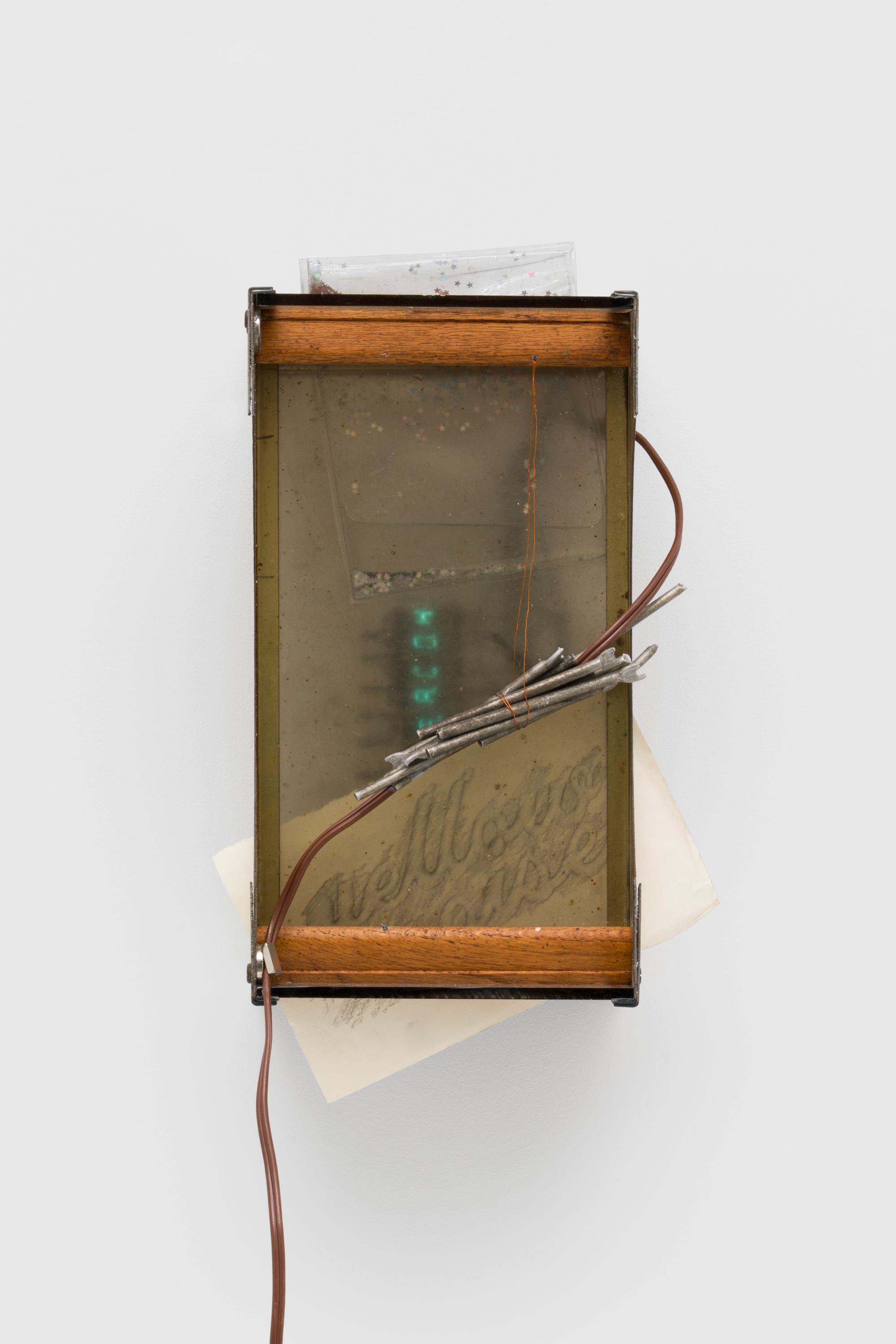
Max Popov, Yellow noise/beacon (to my grandmothers, Ofelia and Marina), 2024-2025, reduced light fixture, vacuum fluorescent displays, circuit and antenna elements, magnet wire, magnets, gel sheet, drawing, rechargeable lead acid battery, 12.25 x 6.25 x 5.5 inches
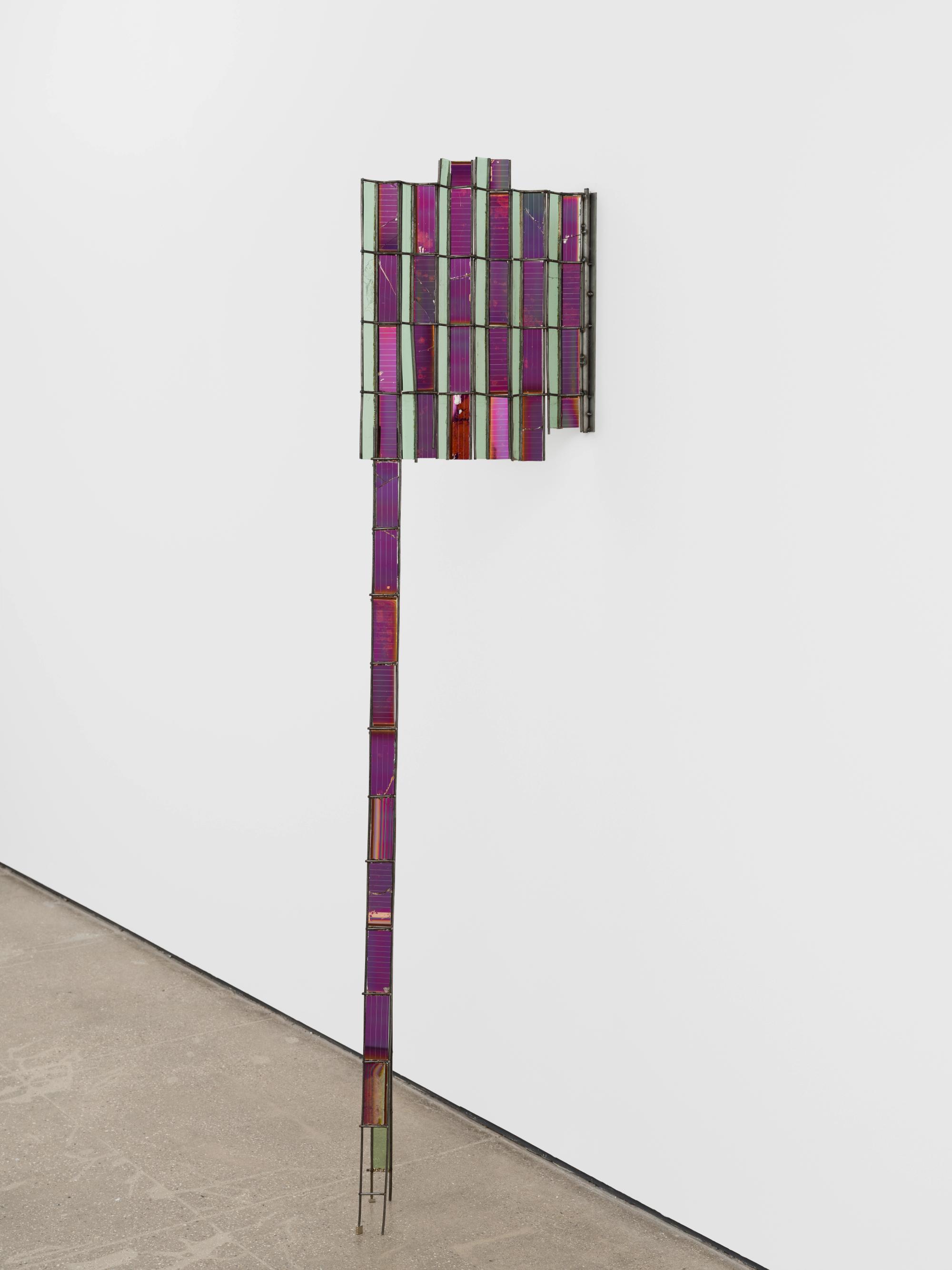
Max Popov, Insolation set for promise, 2026, solar panels, float glass, steel, copper foil, lead came, solder, magnets, 79.5 x 18.75 x 18 inches
Press
Download PDF



